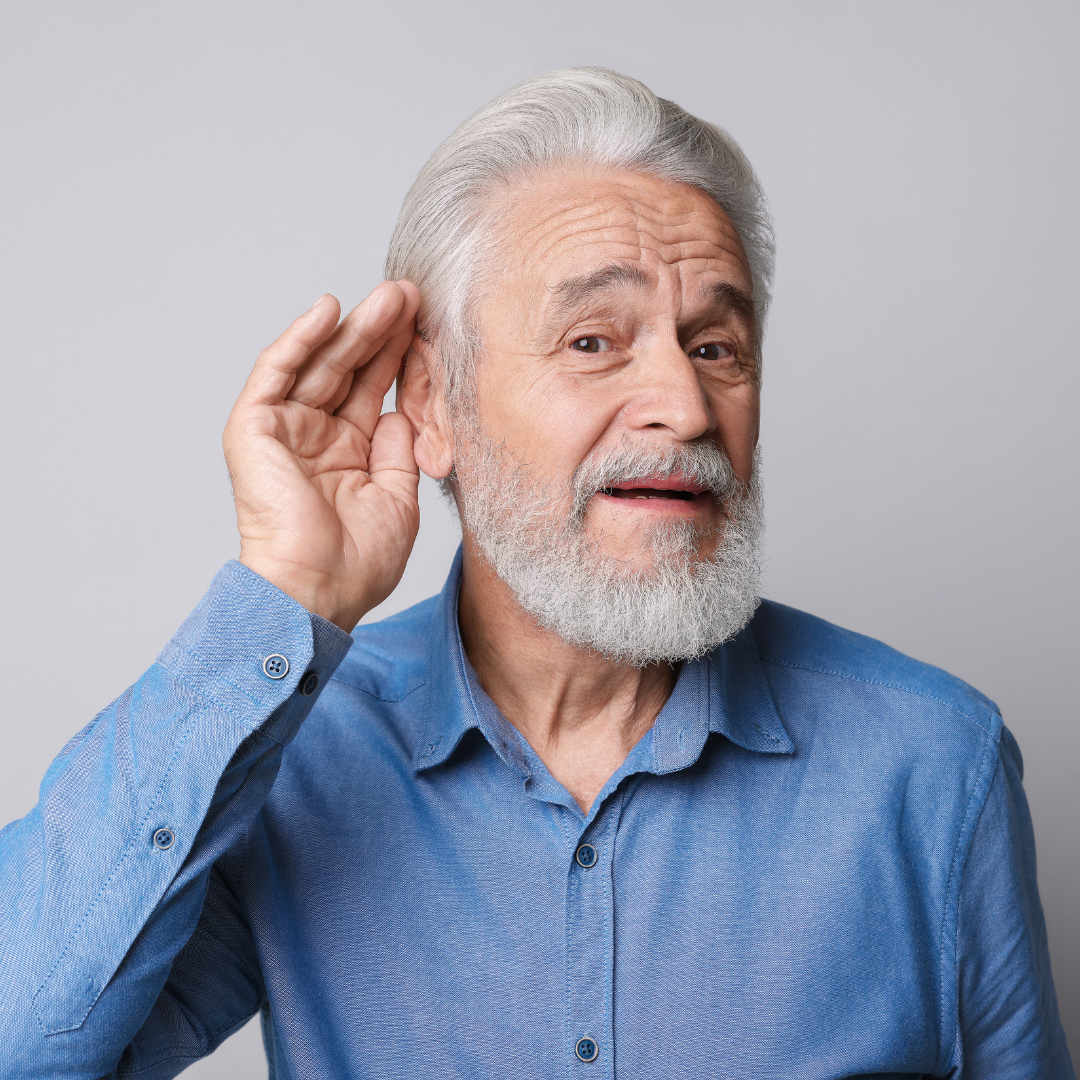
The sudden loss of auditory sensitivity in one ear is frightening and frequently leaves patients unsure of how to seek care. Our clinical specialists offer urgent hearing evaluations and facilitate rapid medical care when sudden unilateral hearing loss arises. A sudden hearing loss always warrants immediate assessment by a hearing specialist to evaluate therapeutic options or personalized rehabilitation.
Understanding Sudden Hearing Loss as a Time-Sensitive Emergency
Yes. An abrupt loss of hearing in one ear should always be regarded as an emergency, particularly if the loss emerges over hours or several days. Sudden sensorineural hearing loss, colloquially known as sudden deafness, compromises the sensory hair cells of the inner ear or the auditory nerve. It generally arises in the absence of pain, causing individuals to mistakenly assume their ear is simply plugged or congested.
Key presenting symptoms include:
- A sudden decline in unilateral sound perception or vocal intelligibility
- An inability to clearly understand phone calls when listening with the involved ear
- A physical popping sensation or localized ear pressure immediately prior to the hearing drop
- Sudden-onset tinnitus characterized by ringing, buzzing, or roaring within the impaired ear
- Dizziness, imbalance, or a spinning sensation
You should never delay care in hopes that auditory function will resolve spontaneously. Connect with our clinical team, a local urgent care center, or an ENT specialist for urgent, same-day assessment.
Why Should You See a Doctor Immediately for Sudden Hearing Loss in One Ear?
Rapid diagnostic assessment matters tremendously because medical management of sudden sensorineural hearing loss is most effective during the initial window. We first differentiate whether the condition represents a conductive loss from cerumen or fluid, or a true sensorineural loss involving the inner ear or vestibulocochlear nerve. While conductive and sensorineural losses can feel virtually identical to the patient, they mandate entirely different clinical therapies.
An ear examination and a diagnostic hearing test can identify the type, pattern, and severity of the loss.
Pursue immediate hospital emergency assessment if your sudden hearing loss coincides with:
- Acute facial asymmetry, motor weakness, or cranial nerve numbness
- Dysarthria (slurred speech), acute cognitive confusion, or an atypical, severe headache
- Acute visual disturbances, fainting spells, or marked ambulatory unsteadiness
- Sudden chest pain or clinical hallmarks of a systemic medical crisis
These severe symptoms may reflect critical neurological compromise or vascular pathology and must never be managed through a standard appointment.
Potential Etiologies of Sudden Sensorineural Hearing Loss
In approximately ninety percent of sudden sensorineural hearing loss presentations, no single definitive cause is ever confirmed. If an underlying cause is identified, it typically entails tissue inflammation, physical injury, microcirculatory failure, autoimmune disease, or specific cochlear nerve disorders.
Common clinical factors include:
- Inner ear viral pathogens or severe bacterial infections
- Traumatic brain injury, temporal bone fracture, or acute acoustic trauma
- Diagnosed autoimmune disorders affecting the inner ear sensory systems
- Pharmacological ototoxicity resulting from specific clinical medications
- Acute circulatory compromise or cochlear microvascular infarction
- Idiopathic inner ear conditions including fluctuating Ménière’s disease
- Central nervous system conditions, such as progressive multiple sclerosis
- An acoustic neuroma or vestibular schwannoma resting on the eighth cranial nerve
Because presenting symptoms cannot reliably differentiate these underlying etiologies, immediate otologic examination and audiologic testing are imperative.
Medical Management and Interventions for Sudden Sensorineural Hearing Loss
Prescription corticosteroids are the gold-standard treatment when sudden sensorineural hearing loss develops without an overt etiology. Providers may prescribe oral systemic steroids or deliver local intratympanic injections through the eardrum, targeting the inner ear directly. Therapeutic recommendations are established by our clinical providers, incorporating symptom onset timeframes, audiometric thresholds, underlying systemic health, and adverse effect profiles.
Initiating steroid therapy within the first 14 days of symptom emergence is critical, emphasizing the importance of starting as early as possible. Providers may advise intratympanic steroid injections as an aggressive salvage therapy if oral treatment produces incomplete hearing restoration. For specific candidates, a physician may recommend hyperbaric oxygen therapy in combination with aggressive steroid therapy.
Prognosis and Spontaneous Recovery in Sudden Unilateral Hearing Loss
Patients with sudden sensorineural hearing loss can sometimes experience spontaneous recovery without clinical intervention. Literature indicates that approximately 50 percent of patients recover some or all hearing spontaneously, frequently within the first one to two weeks. However, there is no reliable way to know at the beginning who will recover, how much hearing will return, or whether the improvement will last.
The possibility that hearing might return spontaneously is never an acceptable reason to delay emergency treatment. Initiating treatment several weeks following symptom onset drastically reduces the probability of reversing permanent damage, effectively shutting a vital clinical window. Recovery may be complete, partial, or minimal.
Managing Unresponsive Sudden Hearing Loss: Next Steps
If auditory thresholds fail to normalize completely, management depends on residual hearing sensitivity, unilateral speech discrimination scores, and the exclusion of underlying retrocochlear pathology. We may recommend magnetic resonance imaging (MRI) or an auditory brainstem response test to examine the hearing nerve and nearby structures.
Extended rehabilitative solutions may incorporate:
- Fitting a conventional prescription hearing aid if the affected ear retains sufficient residual hearing
- Implementing a CROS system that wirelessly beams sound from the unaidable ear to the better ear
- A surgical or non-surgical bone-conduction device for medically appropriate clinical candidates
- A surgically placed cochlear implant for eligible individuals experiencing profound single-sided deafness
- Tailored assistive listening systems to improve communication across work, academic, or social settings
Structured audiologic rehabilitation directly targets listening fatigue, binaural sound localization deficits, and functional communication breakdowns. Selecting the optimal management path relies upon comprehensive audiometric outcomes, vocational needs, medical profile, and personal priorities.
Request a Same-Day Hearing Evaluation
Should your hearing acuity decline abruptly today or over recent days, pursue immediate same-day clinical guidance rather than booking a routine appointment. We provide immediate diagnostic hearing evaluations, analyze bilateral auditory thresholds, review symptom chronology, and collaborate with an ear, nose, and throat specialist or medical provider.
Connect with our clinical office right away to arrange an urgent hearing assessment.