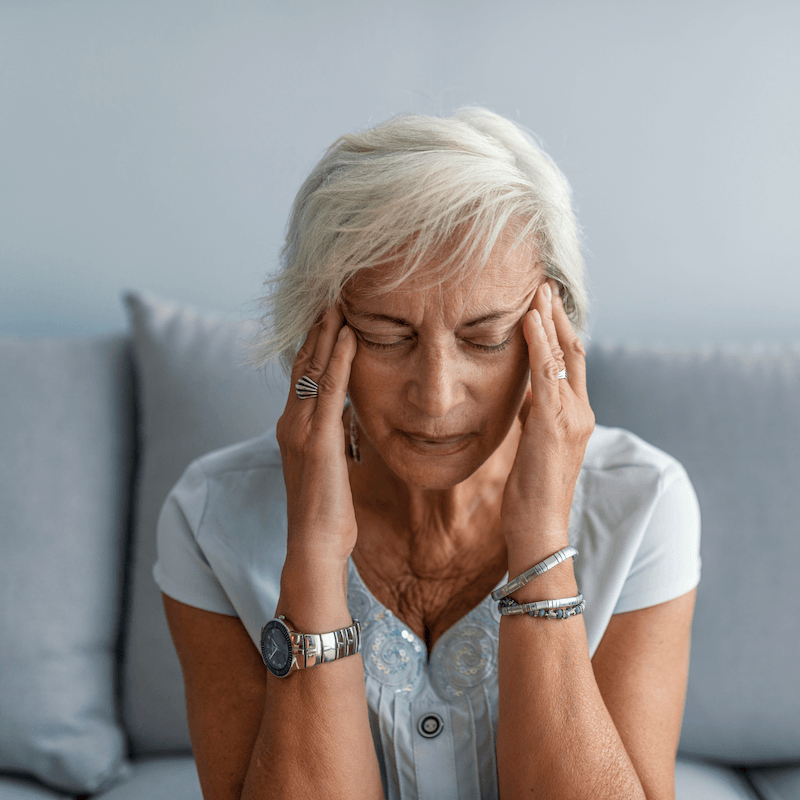
Migraines don’t always present as severe headaches; in fact, a vestibular migraine mainly affects balance, motion perception, and spatial orientation. We provide specialized assessments for recurring vertigo to determine if a vestibular migraine or a competing vestibular disorder is responsible. Establishing appropriate migraine treatment depends on recognizing presenting symptoms and communicating these patterns to your healthcare team.
How Vestibular Migraines Differ From Standard Migraine Episodes
While vestibular migraine and conventional migraine share an underlying neurovascular origin, their predominant clinical presentations diverge. Standard migraine attacks frequently involve moderate or severe head pain described as unilateral, pulsating, and exacerbated by standard exertion. Nausea, light sensitivity, sound sensitivity, and visual aura may accompany the pain.
In contrast, vestibular migraine mainly induces rotational vertigo, general dizziness, postural instability, and motion intolerance. Patients may experience coexisting head pain, but headache is not an obligatory component of every vestibular episode. Clinical episodes frequently provoke an illusion of environmental rotation, motion-provoked unsteadiness, and visual distress in high-stimulus settings.
Standard clinical diagnostic guidelines define vestibular episodes as lasting anywhere from five minutes up to 72 hours. The variability of symptoms from one flare-up to another makes identifying a migraine link less straightforward than tracking head pain.
Pathophysiology: What Triggers and Causes Vestibular Migraines?
A solitary physiological defect has not been proven to cause vestibular migraine on its own. Current research points to intertwined central pathways that simultaneously process migraine pain and vestibular sensory data. Genetic predisposition to migraines combined with a documented history of motion sensitivity markedly heightens susceptibility.
Primary environmental and lifestyle triggers include:
- Inconsistent sleep schedules, insomnia, or poor sleep hygiene
- Skipping scheduled meals or experiencing acute dehydration
- Acute psychological stress or the physiological let-down phase following stress
- Catamenial hormonal fluctuations, menstruation, or perimenopause
- Exposure to bright lights, strobe effects, or visually intricate environments
- Rapid vehicle motion, vestibular acceleration during transit, or digital screen scrolling
- Alcohol intake, fermented foods, cured meats, or idiosyncratic dietary sensitivities
- Atmospheric pressure changes, weather fluctuations, or overwhelming sensory stimulation
Recognizing the Signs: Vestibular vs. Typical Migraine Attacks
Standard migraine attacks are conventionally diagnosed by cephalalgia, yet the clinical picture involves numerous non-pain symptoms. A person may experience nausea, vomiting, visual aura, fatigue, brain fog, neck discomfort, or sensitivity to light, sound, and smell.
Symptoms associated with vestibular migraine often encompass:
- Spinning or non-spinning vertigo
- Persistent postural unsteadiness, gait instability, or loss of balance
- Cervicogenic or vestibular dizziness exacerbated by head motion
- Nausea during motion
- Visual motion hypersensitivity when viewing digital displays, high-density crowds, or repetitive wallpaper
- A sensation of rocking, tilting, floating, or being pulled
- Light, sound, or visual sensitivity
- Sensation of intense cranial pressure, sinus heaviness, or classic throbbing migraine pain
- Temporary sensations of ear canal pressure, fullness, or high-pitched tinnitus
The pattern, duration, and triggers help distinguish vestibular migraine from other causes. Any acute onset of dizziness accompanied by motor weakness, sensory numbness, dysarthria, diplopia, syncope, or profound ataxia requires emergency medical evaluation.
The Coexistence of Vestibular Migraine and Typical Migraine Episodes
Yes, clinical overlap is common. A patient can experience debilitating vertigo and a throbbing migraine headache concurrently in the same episode. Vertigo can herald the onset of headache, accompany active head pain, persist after the pain subsides, or present during an isolated, headache-free attack. Many individuals alternate between headache-dominant and balance-dominant presentations over months or decades.
A vestibular episode does not need to include headache to be related to migraine. Maintaining a dedicated symptom journal helps track chronological correlations that are easily overlooked during clinical consultations. Note the frequency and length of dizziness, headache qualities, sensory changes, menstrual timing, sleep habits, meals, potential triggers, and therapeutic interventions. This diagnostic data empowers your specialist to perform a much more targeted and precise clinical evaluation.
How an ENT Specialist or Neurologist Diagnoses Vestibular Migraines
Clinicians cannot rely on a single laboratory marker, radiological scan, or balance study to confirm vestibular migraine. Diagnosis begins with a detailed description of the episodes and a history of migraine with or without aura. Current neurological criteria require a minimum of five moderate or severe vestibular episodes lasting five minutes to 72 hours, with migraine features documented in at least 50% of cases.
We may perform a neurological, eye-movement, ear, hearing, and balance examination. Tailored to your clinical needs, diagnostic protocols can incorporate pure-tone audiograms, positional testing, specialized vestibular studies, or MRI scans. Such objective tests are crucial to differentiate vestibular migraine from other balance disorders presenting with similar symptoms. This clinical diagnosis is finalized only when your symptom history matches validated criteria and no other vestibular disorder better accounts for the findings.
Evidence-Based Treatments for Vestibular Migraine
Care plans are individualized to match your specific attack frequency, symptom severity, comorbid headaches, general medical background, and medication tolerances. Many people benefit from combining daily prevention with a plan for managing acute episodes.
We develop an individualized treatment regimen which may feature:
- A regular sleep, meal, hydration, and exercise schedule
- Isolating and minimizing contact with consistent environmental or dietary triggers
- Stress-management or behavioral strategies
- Prescribing targeted rescue medications for acute nausea, motion sickness, and related distress
- Restricting vestibular suppressants strictly to short-term management during severe vertigo flares
- Preventive medicines such as beta-blockers, calcium channel blockers, topiramate, certain antidepressants, or other migraine therapies
- Customized vestibular rehabilitation therapy to address persistent disequilibrium and visual motion intolerance
We prescribe vestibular suppressants conservatively, given that regular consumption causes sedation and delays the brain’s natural compensation mechanisms. Medication choices should be made with us rather than borrowed from another person’s migraine plan. Patient recovery regularly requires incremental dosage adjustments and ongoing monitoring of treatment response over several months.
Request a Clinical Evaluation for Vestibular Migraine
If recurring vertigo, motion sensitivity, or imbalance is disrupting daily life, schedule an evaluation with us. Your consultation can include a review of migraine history, health conditions, and treatment goals, with a focused examination and appropriate testing to help distinguish vestibular migraine from BPPV, Ménière’s disease, and other causes of dizziness. Call or message our office today to schedule your comprehensive vestibular migraine consultation.