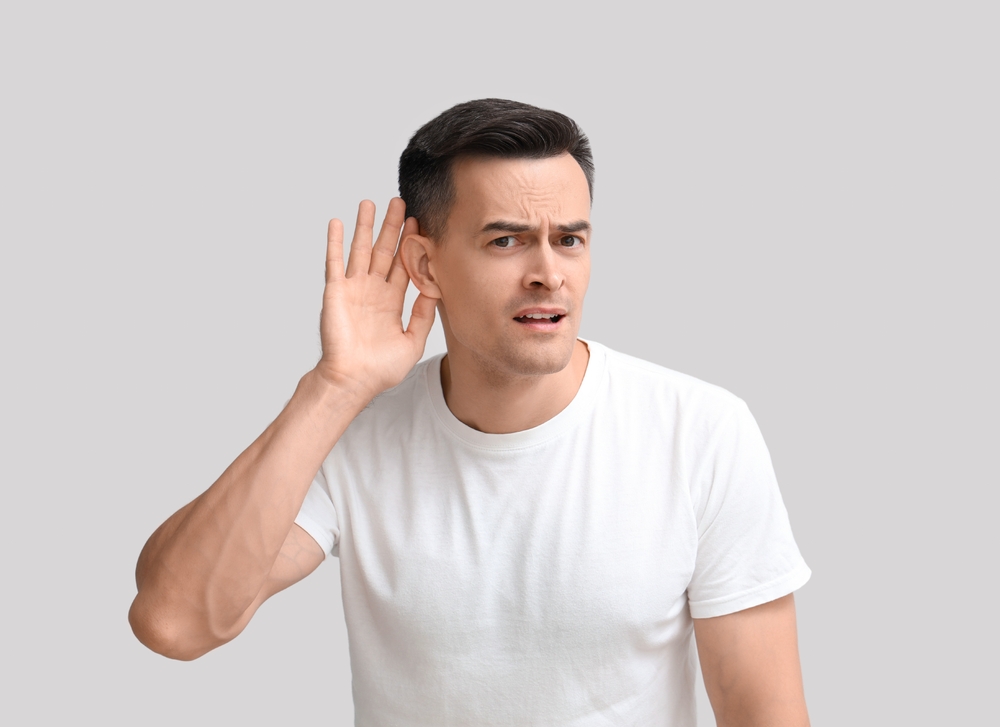
Is it common for you to feel physically and mentally spent after navigating a social environment?
You might initially blame your exhaustion on general tiredness or a busy lifestyle. Certainly, for those with introverted tendencies or sensory processing sensitivities, social engagement is naturally taxing. However, in many clinical scenarios, the underlying driver is a neurological phenomenon known as auditory fatigue.
This condition manifests when the brain’s auditory cortex is forced into an overactive state to interpret sound. When hearing is not as clear as it should be, the brain often tries to fill in missing pieces of speech and interpret unclear sounds, which takes significant mental effort. Over time, this constant strain can leave you feeling mentally exhausted.
Most individuals fail to distinguish between localized auditory fatigue and general fatigue. Critically, this exhaustion is often a primary indicator of underlying auditory pathologies. A comprehensive assessment can help determine whether hearing loss is contributing to your symptoms. If you notice this pattern happening regularly, talk to your provider about determining whether hearing loss is contributing to your symptoms.
The Physiological Triggers of Auditory Fatigue
Several factors can force the brain to work harder during listening, increasing the risk of auditory fatigue.
Why Untreated Hearing Impairment Causes Fatigue
Failing to address hearing loss is a major factor in the development of persistent auditory fatigue.
When the ears cannot detect certain sounds clearly, the brain tries to compensate by filling in gaps. The mental labor required for constant speech reconstruction causes energy levels to plummet during social interaction.
Auditory Fatigue in Social Settings
Busy environments can worsen auditory fatigue. Settings like busy cafes or group discussions often present a low signal-to-noise ratio that obscures speech.
When multiple sounds occur at once, the brain must filter through them to identify the important information. This biological workload frequently triggers cognitive overload, particularly when any level of hearing loss is present.
How Internal Noise Increases Listening Effort
Tinnitus, often described as ringing or buzzing in the ears, can also contribute to listening fatigue because the brain must process external sounds and internal noise signals simultaneously.
Sound distortion caused by hearing loss can further increase strain, forcing the brain to work even harder to understand speech.
Common Signs of Auditory Fatigue
This type of fatigue often degrades both your ability to concentrate and your general vitality. Patients often present with the following indicators:
- Experience of deep cognitive depletion following verbal interaction
- Struggles with cognitive focus during collaborative sessions
- Onset of tension headaches following sustained auditory focus
- Irritability or frustration in social settings
- Self-isolation as a defense mechanism against listening effort
- Needing a nap or quiet time after social interaction
Recurring instances of these symptoms suggest that your auditory processing system is operating at an inefficient level.
Why Hearing Loss Makes Your Brain Work Harder
Under optimal conditions, the auditory cortex decodes language with minimal neural expenditure. However, when hearing loss is present, the brain must allocate more cognitive resources to decode sounds.
Researchers describe this as increased cognitive load. It involves the brain siphoning energy from memory retrieval and focus to prioritize basic speech understanding. Over time, this extra effort can leave you feeling mentally depleted. Under these conditions, even brief interactions demand an unnatural level of mental focus.
Why a Hearing Test is the First Step to Recovery
If auditory fatigue is affecting your daily life, a professional hearing evaluation can help identify the cause. A full audiological exam involves testing your threshold for various frequencies and your word-recognition score. Specialized “speech-in-noise” testing is often used to uncover deficits that are invisible during standard quiet-room exams.
A comprehensive hearing test can determine whether hearing loss is contributing to your fatigue and help guide the next steps for treatment. Timely audiological care is the most effective way to halt the progression of auditory fatigue.
How Hearing Treatment Reduces Listening Effort
The right hearing treatment acts as a “pressure release valve” for the brain’s processing centers.
Current digital technology restores the signal-to-noise ratio, providing the brain with a cleaner audio feed. This allows the brain to receive clearer signals without constantly trying to fill in missing sounds.
With restored hearing clarity, you will likely see a boost in:
- General energy levels from morning to evening
- Focus during conversations
- Reduced anxiety and heightened ease during social events
As the brain stops struggling to hear, the world of sound becomes a source of joy rather than a source of stress.
Recognizing the Right Moment for a Hearing Test
You should prioritize an audiological consultation if the following conditions apply:
- You feel exhausted after conversations
- You are increasingly told that you are missing parts of the conversation
- Following a group talk in a restaurant feels nearly impossible
- Social withdrawal is becoming your default response to difficult acoustics
Resolving these issues today ensures a higher standard of living and better cognitive health for the future.
Frequently Asked Questions: Auditory Fatigue
Is auditory fatigue the same as hearing loss?
No. Auditory fatigue refers to the mental exhaustion caused by intense listening effort. While they are different, hearing loss is the direct driver of most fatigue cases.
Do Hearing Aids Help with Exhaustion?
By performing the filtering for you, hearing aids dramatically reduce daily mental exhaustion.
Can Auditory Fatigue Be Cured?
Typically, this fatigue is transient and resolves once the auditory system is supported by clinical care.
Stop Feeling Drained After Conversations
You shouldn’t feel exhausted after everyday conversations. When simple listening becomes a chore, it is a sign of an inefficient auditory processing loop.
Don’t wait for the burnout to get worse; schedule your audiological check today. The path to social confidence and mental clarity begins with accurate hearing data.