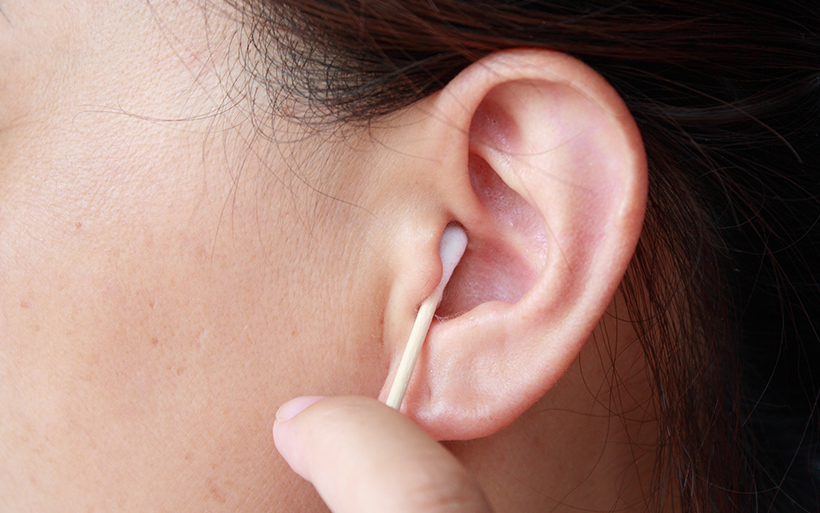
Auditory obstruction can be unsettling, often making you feel isolated from the world around you. Many people instinctively worry they’re experiencing irreversible hearing loss when, in reality, the cause may be something much more basic: cerumen accumulation.
Understanding the difference between cerumen blockage vs. auditory loss can help you know when a simple solution is possible and when it’s time to seek a hearing evaluation. There is no need to feel stressed if sounds seem muted. A professional assessment will provide the final answer, but the following guide outlines the main differences between wax-related issues and lasting loss.
What Earwax Buildup Feels Like
Cerumen is essentially a healthy, natural secretion intended to shield the ear canal from dust and foreign debris. Medical complications only develop when the wax fails to migrate out of the ear, leading to a substantial buildup or blockage.
Frequent signs of earwax buildup consist of:
- A noticeable reduction in hearing level
- A sensation of fullness or clogging in the ear
- Canal irritation or mild pain
- Ringing in the ear (ringing)
- Hearing that clears temporarily after yawning or eating
Because obstructions are tangible, they commonly impact just one ear at a point rather than each equally. The positive aspect is that professional removal typically ends in an instant restoration of your natural hearing capacity.
What Hearing Loss Feels Like
Hearing loss, especially presbycusis or noise-induced hearing loss, tends to progress slowly and doesn’t resolve when the canal is cleared.
Signs of true auditory impairment may feature:
- Trouble understanding conversation, especially in noisy settings
- Often requiring clarification during everyday dialogue
- A tendency to increase audio volume significantly to compensate for hearing loss
- Difficulty detecting high-pitched sounds
- Two-sided hearing changes that impact both ears at once
Crucially, auditory loss is a clarity concern that rarely involves the sense of manual fullness found with cerumen.
Comparing Wax Buildup and Hearing Loss
By analyzing the onset and particular markers, you can often determine which condition is impacting you:
- Progression: Blockages can feel sudden, while hearing loss is virtually always slow
- Resolution: Cerumen hearing changes are usually temporary; hearing loss is often irreversible
- Sensations: Fullness and irritation suggest wax; speech clarity challenges indicate loss
- Laterality: Wax often impacts one ear; auditory impairment frequently impacts each
Reasons Not to Self-Diagnose
Numerous people make the error of attempting to extract a perceived obstruction manually using probes or household items. Regrettably, these can push wax further in and exacerbate the situation.
Health specialists warn that inserting anything less substantial than your finger in your ear can result in tympanic damage and major clogging.
On the flip side, presuming a problem is just wax when it is truly hearing loss can prevent you from getting the help you need to stay engaged.
What to Anticipate During a Professional Appointment
A brief otoscopic check can quickly determine whether cerumen is blocking the canal.
If wax is found, safe extraction often resolves signs on the spot.
When the canal is unobstructed but auditory input is still muffled, a diagnostic test is required to audit your auditory health.
The National Institute on Deafness and Other Communication Disorders (NIDCD) advises immediate evaluation anytime changes in hearing interfere with your everyday routine.
Final Points on Earwax and Auditory Wellness
Dampened auditory input doesn’t always indicate irreversible trauma.
It is frequently the case that a simple, resolvable blockage is the root of the issue.
A professional evaluation will provide you with the clarity you need to move forward without concern.
Ultimately, an expert consultation is the single certain way to distinguish between a temporary blockage and a permanent shift.
Locating the cause early safeguards your well-being and gives you the peace of mind you deserve.
If you’ve noticed a shift in your hearing, call our office for a professional assessment today.