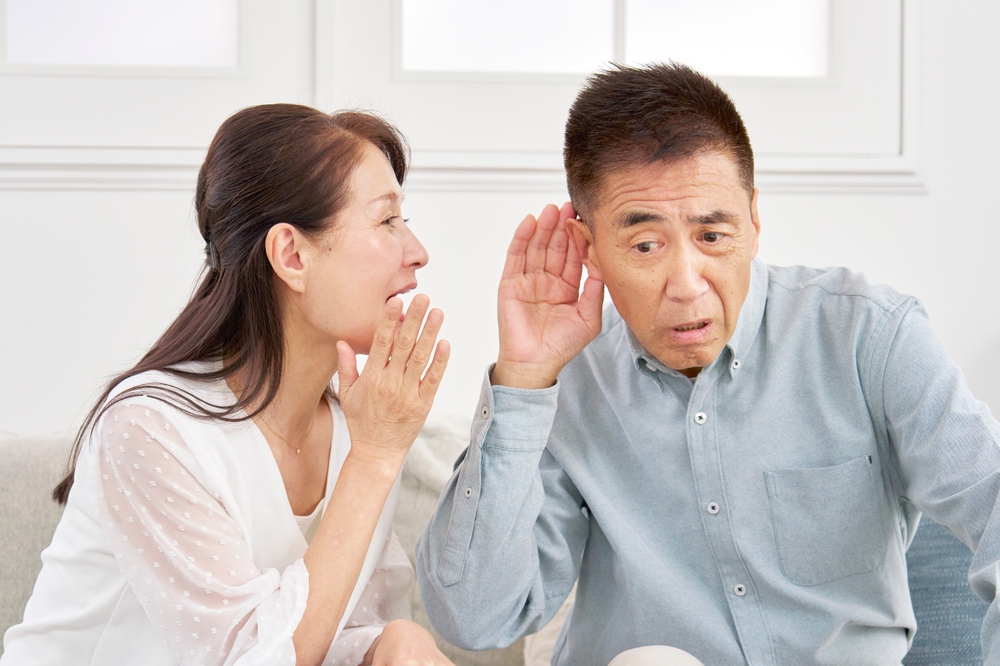
Hearing loss is more common than most of us might realize, but misinformation continues to prevent many people from seeking proper care. And with hearing loss, getting the right care at the right time is critical. Believing common hearing loss myths can delay diagnosis, impact communication, and reduce your overall quality of life.
Distinguishing audiological reality from fiction empowers patients to make data-driven healthcare choices. Let’s take a closer look at seven hearing loss myths that deserve to be clarified, along with the truths that put them in their place.
The Fallacy of Senior-Only Hearing Loss
Although aging affects the ears, hearing loss is not exclusive to the elderly population. Hearing impairment in younger patients is frequently caused by environmental noise, genetic predisposition, or systemic illness.
Labeling hearing loss as a senior-only problem often causes younger patients to overlook critical early warning signs.
The “I Can Still Hear” Fallacy
The presence of hearing loss does not always manifest as total profound deafness. In fact, many people with mild or moderate hearing loss can still hear sounds, but they struggle to understand speech clearly. Audiology recognizes a diverse spectrum of impairment levels that fall short of total deafness.
Signs of decline often involve poor speech-in-noise recognition and significant mental strain after talking with others. Such symptoms are early clinical indicators that the auditory processing system is under stress.
Myth: Auditory Decline is a Low-Stakes Issue
Ignoring hearing loss creates systemic health risks that impact the entire neurological system. Research has linked unmanaged hearing loss to social withdrawal, increased stress, cognitive strain, and even a higher risk of depression.
Addressing hearing concerns early helps protect not only your ability to communicate, but also your overall well-being.
Myth: Amplification Devices Accelerate Ear Damage
There is no clinical evidence to suggest that proper use of hearing aids speeds up auditory decline.
When fitted correctly, hearing aids are safe tools for auditory rehabilitation. Instead, they amplify sounds based on your hearing test results. Utilizing amplification prevents auditory deprivation, keeping the brain’s speech-processing centers active.
Myth Five: The Aesthetic Stigma Fallacy
Current hearing tech leverages micro-circuitry to achieve high performance in small packages. Contemporary hearing aids deliver elite processing power within incredibly discreet housings. Numerous models—such as Invisible-in-the-Canal (IIC) devices—remain completely hidden during daily use.
Beyond their small profile, these devices feature AI-driven noise cancellation and seamless smartphone integration.
Myth Six: The Fallacy of “Wait and See” for Mild Loss
Even mild hearing loss can impact communication and daily life. Using hearing help for mild cases reduces the heavy “brain power” usually required to decode speech.
Patients who pursue early help experience a much smoother transition to using hearing technology.
7. Myth: Over-the-Counter Solutions Are Always Enough
While some over-the-counter hearing devices may provide basic amplification, they are not customized to your specific hearing profile. Only a formal assessment can provide the data needed to create a truly effective and personalized treatment plan.
The difference between “generic” and “custom” is measured in both physical comfort and speech understanding.
Taking Control: Overcoming Misinformation for Better Hearing
Any change in hearing can feel scary, which is why many people brush it off and delay seeking care. Accepting myths as truth leads to a longer road to recovery and more significant brain strain. Fortunately, a modern hearing test is a non-invasive, efficient process that yields vital health data.
Should you perceive even minor shifts in your auditory acuity, a baseline exam is your most critical move. Intervening early is a proven strategy for maintaining a high standard of living through better hearing.
If you want to learn more about your hearing health or schedule a hearing evaluation, our team is here to help! Contact our office today to schedule your personalized hearing consultation.