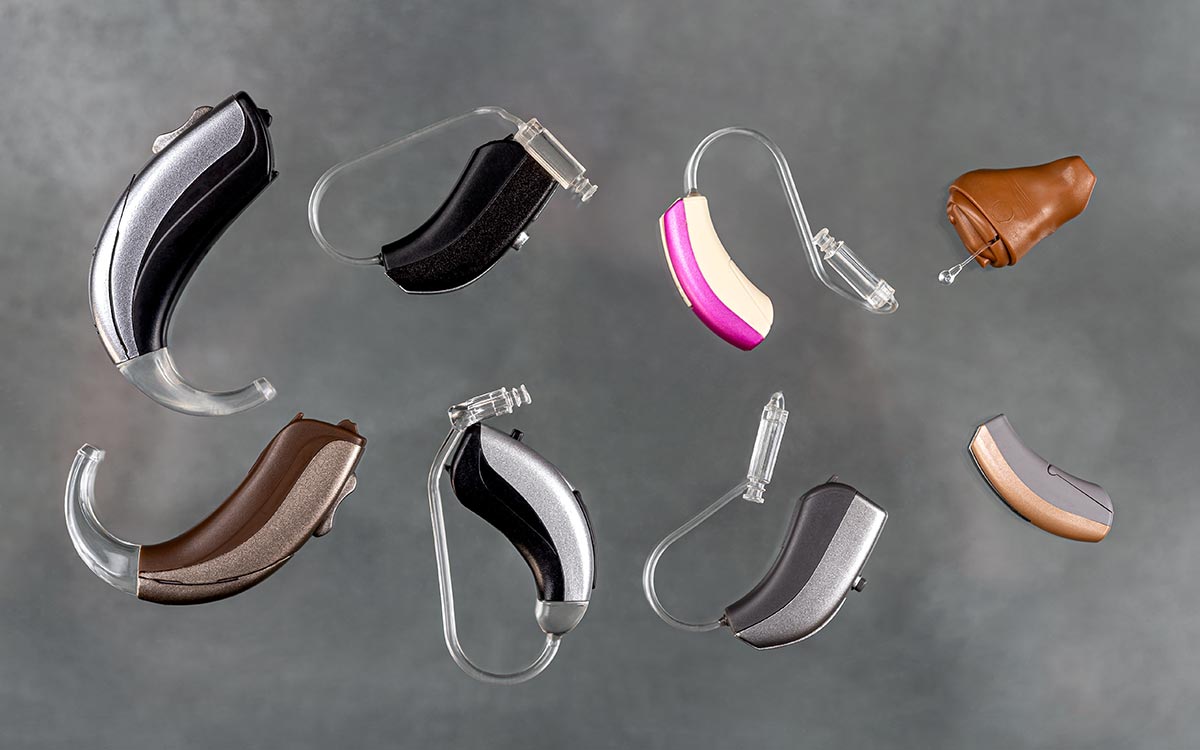
Selecting the right hearing aid can be a daunting task, given the wide array of styles, sizes, and technological features available in modern devices. Fortunately, there is a perfect hearing solution for every person, regardless of their lifestyle or the severity of their hearing loss. The key is merely choosing the one that fits you best.
Understanding the distinctions among the most popular types of hearing aids can help you feel more informed and confident as you explore your options. We are planning to study the primary styles available today to help you understand what sets each option apart.
In-the-Canal (ITC) Hearing Aids
The Layout:
ITC models are custom-made to sit within the ear canal, though a small part of the shell remains visible in the ear’s outer portion.
Common Advantages:
- Offers a smaller profile than bulkier behind-the-ear units
- Individualized molding ensures long-term wearing comfort
- Designed to address low to mid-range hearing impairments
ITC devices offer a good equilibrium between visibility and functionality, making them a popular choice for first-time users.
Ultra-Discreet IIC Devices
The Idea:
These are the tiniest custom-made units on the market today. They rest deep inside the ear canal and are virtually invisible when worn.
User Pros:
- Offers the most understated design of any hearing aid style
- Provides authentic sound because of where the device sits
- So light and small that users often don’t notice they are wearing them
IIC devices are primarily aimed at patients with moderate hearing needs who want their technology to remain completely unnoticed.
In-the-Ear (ITE) Hearing Aids
What they are:
ITE devices are constructed to stay in the outer ear area, offering two different shell sizes based on your anatomy. Every device is specifically personalized to match your ear’s unique shape.
Value Offering:
- Increased size allows for more features and longer battery life
- Ideal for individuals who find smaller devices hard to manipulate
- A versatile choice that can address even significant levels of hearing loss
ITE models are often chosen by individuals who want a simple, all-in-one design without behind-the-ear components.
Behind-the-Ear (BTE) Hearing Aids
Technical Detail:
These devices sit on the outer portion of the ear’s anatomy. Audio travels through a dedicated tubing or custom-fit mold into the ear opening.
Reasons for Choosing:
- Known for remaining remarkably adaptable and robust
- Useful for nearly every level of hearing impairment
- The spacious housing enables high-tech extras and built-in power cells
The combination of ease of use and strong audio makes BTE aids a top contender for many patients.
RIC (Receiver-in-Canal) Summary
Mechanical Setup:
RIC hearing aids look similar to BTE models, but the speaker (receiver) sits inside the ear canal rather than inside the device behind the ear.
Key Benefits:
- Highly natural sound quality
- Users appreciate the slim profile and comfortable fit for all-day use
- Excellent for many levels of hearing loss
RIC devices are one of today’s most common styles, thanks to their blend of comfort, aesthetics, and performance.
Extended-Wear Hearing Aids
Usage Profile:
An audiologist places these specialized hearing aids deep into the canal, where they stay for multiple weeks.
Lifestyle Benefits:
- Provides a hassle-free journey with no daily maintenance required
- They are virtually impossible for others to notice because of their depth
- You can move about your entire life—including sports and rest—while wearing them
Extended-wear devices are ideal for those who want an effortless approach.
Bluetooth-Enabled Hearing Aids
Tech Specs:
These are modern devices equipped with radio technology to sync with your personal electronics and televisions.
Modern Perks:
- Enjoy direct sound streaming from your phone or TV right into your ears
- Provides a discreet way to manage your hearing environment from your mobile screen
- Enhances daily life by making technology engagement seamless and clear
Bluetooth features are accessible across many styles, including RIC, BTE, and some ITC models.
Alternative Implantable Options
What they represent:
A surgically implanted device that directly vibrates the middle ear bones to amplify sound.
Who they are for:
- Provides a solution for individuals with anatomy that prevents the use of conventional aids
- Comfortable option for chronic ear issues related to traditional devices
An exhaustive meeting with an ENT professional is necessary before considering an auditory implant.
Your Path to Improved Hearing
Every hearing aid style provides its own advantages, and the right option depends on your level of tinnitus or hearing loss, comfort preferences, lifestyle, and cosmetic considerations. A hearing care professional can guide you through your choices, answer questions, and help you experience how different devices look and feel.
Start traveling toward an environment of superior sound by arranging a consultation with a hearing specialist. Your future of assured interaction starts with this first hearing evaluation.
Sources:
https://www.mayoclinic.org/diseases-conditions/hearing-loss/in-depth/hearing-aids/art-
20044116
https://www.hearinglife.com/hearing-aids/types
https://www.nidcd.nih.gov/health/hearing-aids