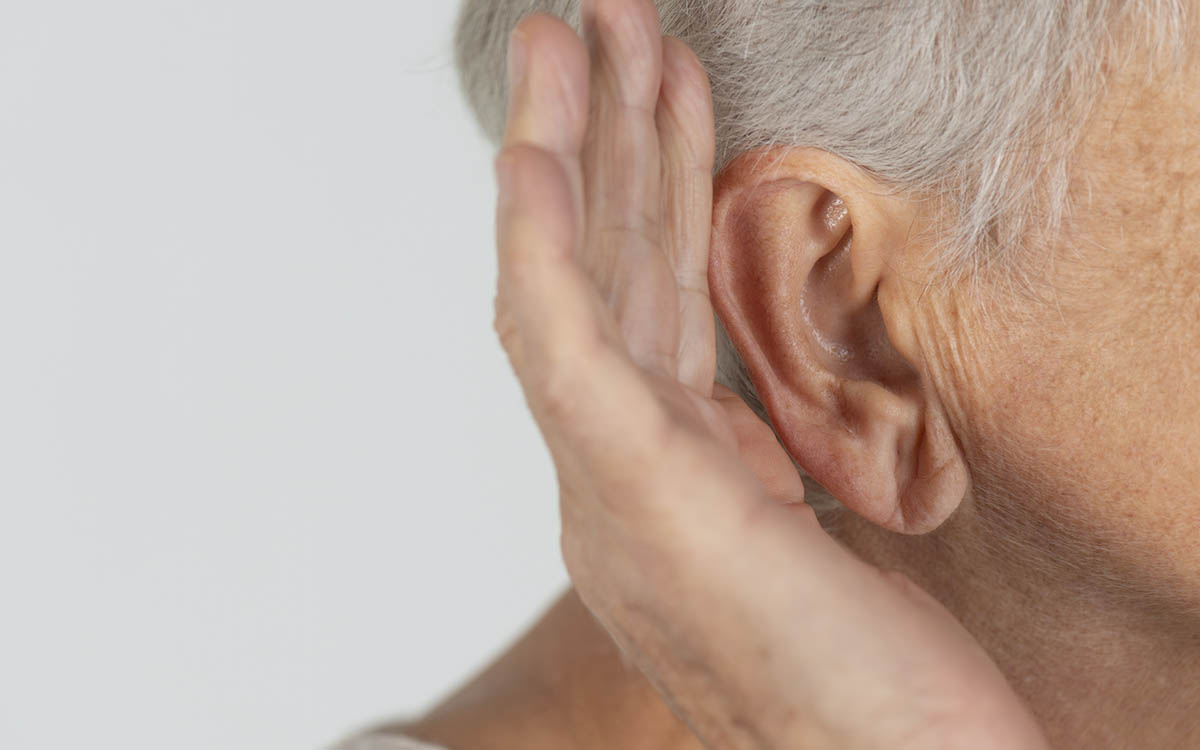
Commonly, clinicians link hearing loss with getting older, however, for millions in the U.S., auditory trauma initiates much earlier in life. Among the most frequent and preventable categories of auditory damage, noise-induced hearing loss frequently develops incrementally, advancing subtly and remaining undiagnosed until the clinical effects are permanent.
An objective understanding of noise-related auditory impact over time allows for preventative measures before significant hearing loss occurs.
Pathophysiology of Noise-Related Auditory Trauma
This form of hearing loss is precipitated by excessive acoustic energy damaging the fragile internal structures of the auditory system. The Centers for Disease Control and Prevention state that, sounds above 85 decibels (roughly the volume of heavy traffic) can begin to cause hearing damage with repeated or prolonged exposure. Higher intensity sounds, including those generated by machinery, music venues, or firearms, may result in immediate damage.
The internal auditory system houses delicate sensory units termed hair cells. These units are responsible for translating sound waves into the electrical signals required for auditory perception. Once damaged, hair cells do not regenerate, making this form of hearing loss a lifelong auditory deficit.
How Auditory Trauma Progresses Through Chronic Exposure
A primary clinical concern regarding noise-induced hearing loss is its typically slow rate of progression. Early-stage symptoms resulting from noise exposure often include:
- Occasional instances of Tinnitus, characterized by ringing or buzzing sounds
- A feeling of muffled hearing after loud events
- Challenges involving speech comprehension within high-noise settings
Initial symptoms may subside, frequently resulting in the incorrect assumption that hearing function has returned to baseline. In fact, chronic noise exposure causes ongoing trauma to inner-ear anatomy, steadily eroding hearing precision.
The hearing loss Association of America estimates that 48 million individuals in the US suffer from hearing loss, many unaware of the underlying cause.
Hazardous Acoustic Triggers of Ear Injury
In our modern environment, individuals often develop a tolerance or desensitization to high-volume sounds. For this reason, many people are surprised to learn how common harmful noise exposure is.
Commonly encountered risks include:
- Professional music performances and concert environments
- Personal audio devices utilized at excessive decibel levels
- Gas-powered lawn tools, industrial machinery, and motorcycles
- Professional exposure to high-volume noise in manufacturing and labor industries
The everyday occurrence of these sounds allows for progressive damage to develop without obvious warning.
The Clinical Necessity of Preventative Measures
A distinguishing factor of noise-induced hearing loss is the lack of clinical reversal options. However, it is highly preventable. The implementation of basic protective protocols can substantially mitigate risk, such as:
- The application of earplugs or attenuation earmuffs in loud areas
- Reducing personal audio volume and adhering to the 60/60 safety guideline
- Taking listening breaks to give your ears time to recover
- Maintaining regular clinical screenings and Audiology visits
Clinical Indicators for Consulting Audiology Services
Should you experience persistent Tinnitus or a decline in conversational understanding, a professional evaluation is indicated. Early intervention through an Audiologist allows for the monitoring and implementation of essential protective measures.
Implementing protective measures today safeguards your auditory capacity for the years ahead. While environmental noise is often inevitable, hearing loss is a preventable outcome. We invite you to schedule an appointment with our team to optimize your hearing function.